Semi-trailer
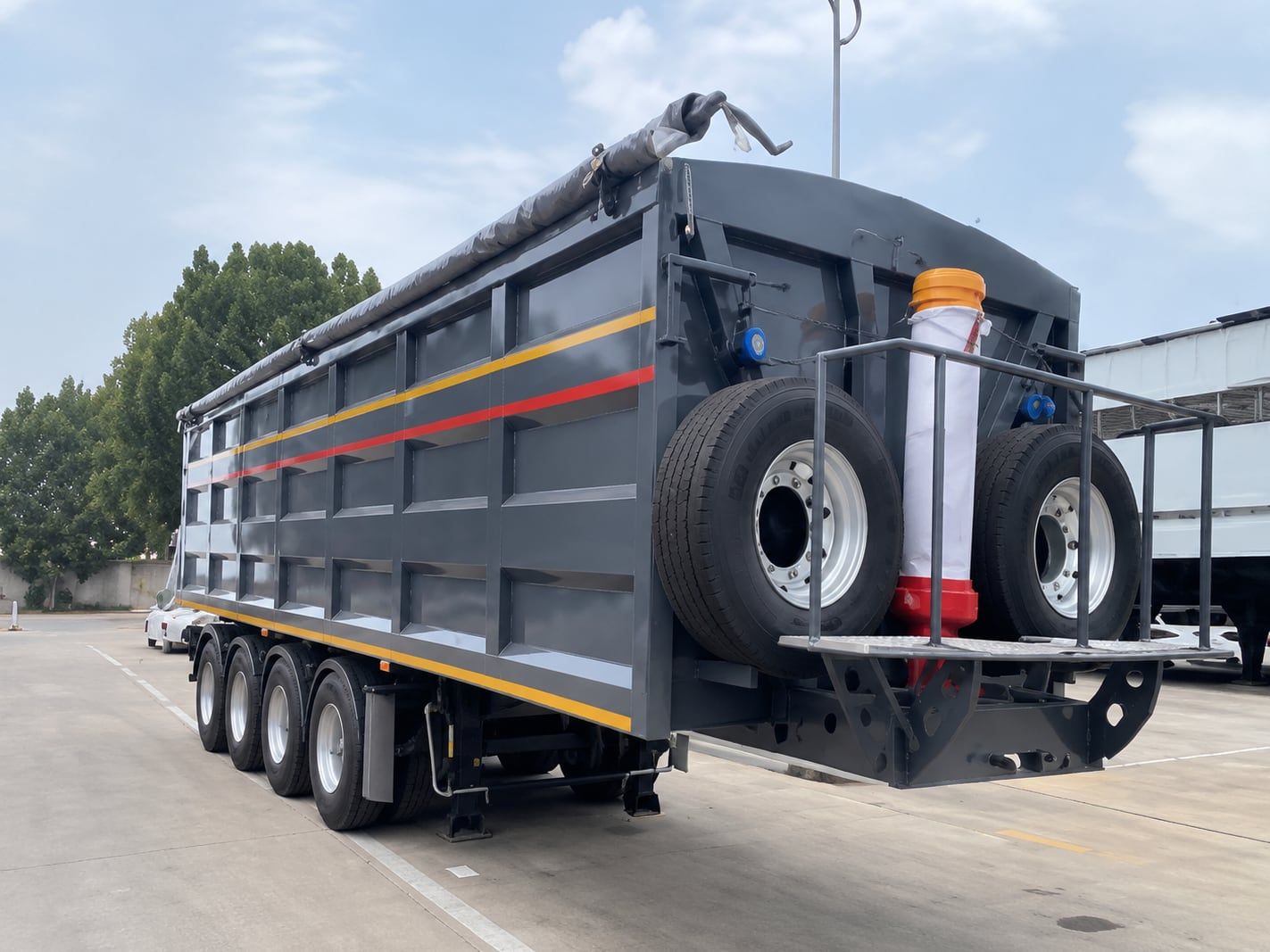
CYP9402ZZX 40 t U-Dumping Semi-Trailer
- Handles
- 50 t payload
- Shipping volume
- 73.4 m³(calculated)
Semi-trailer · Semi-trailers
Thirteen metres of deck with 800 mm walls that drop out of the way. The trailer for cargo that would roll off a flatbed.
99.5 m³shipping volume
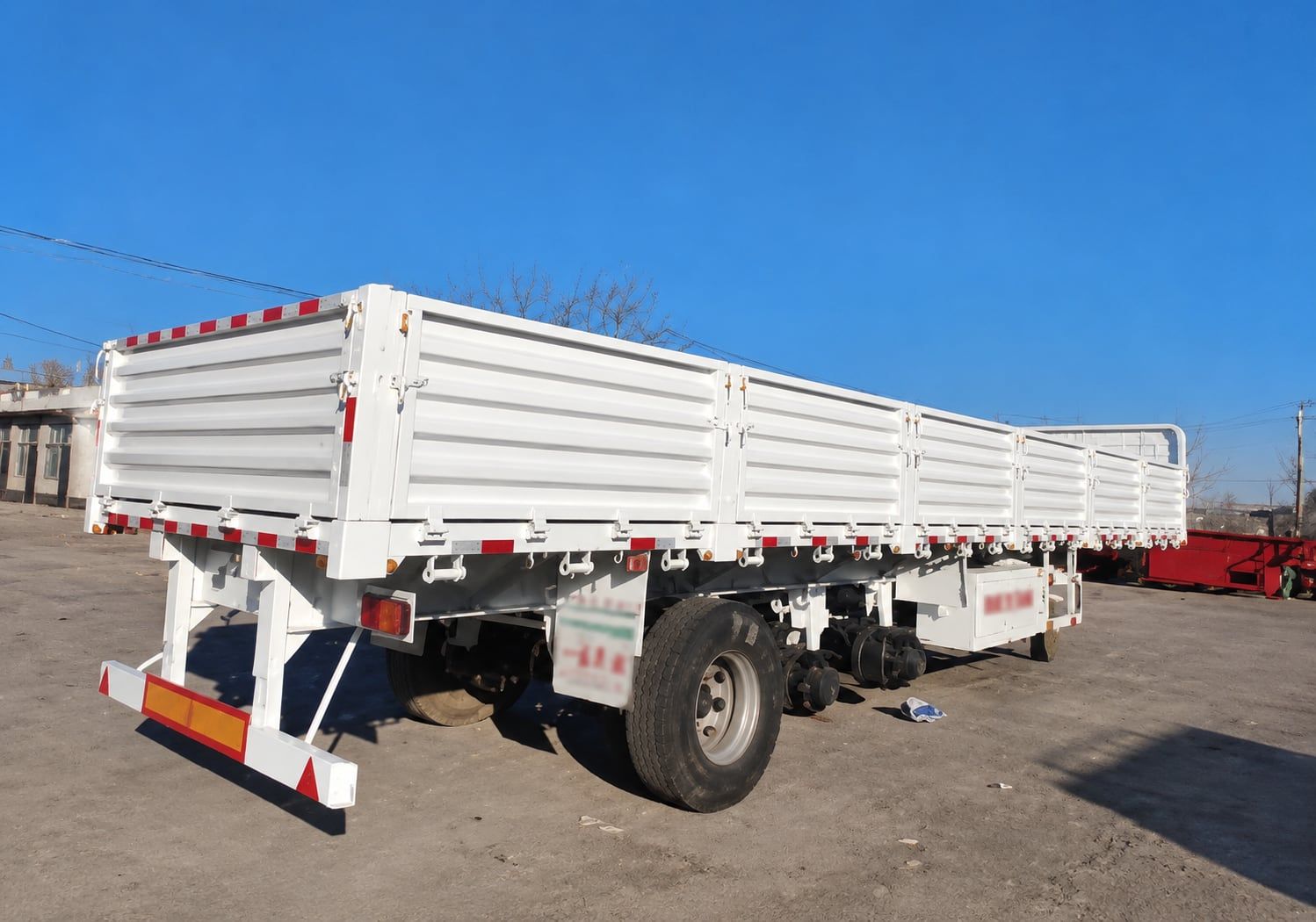
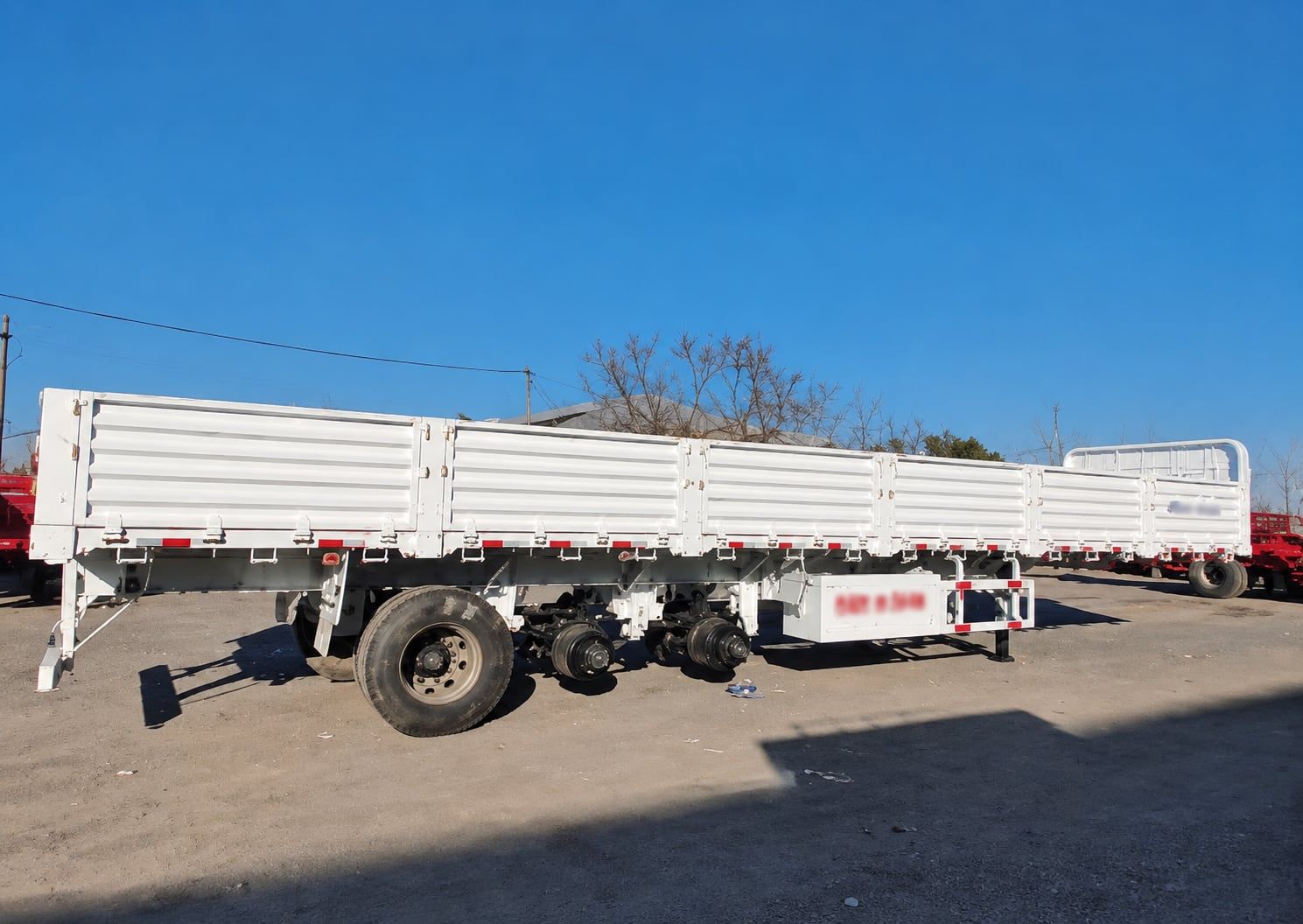
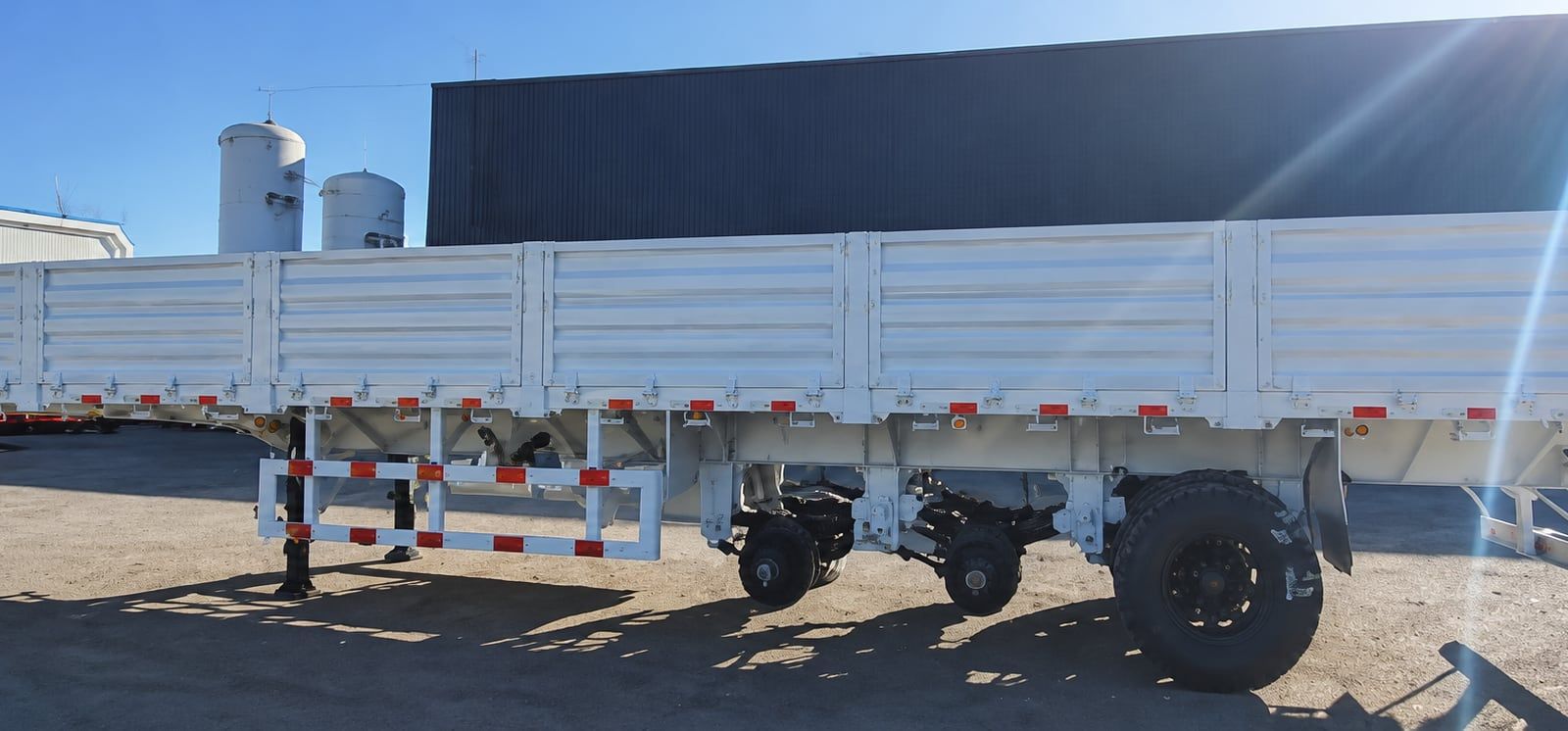
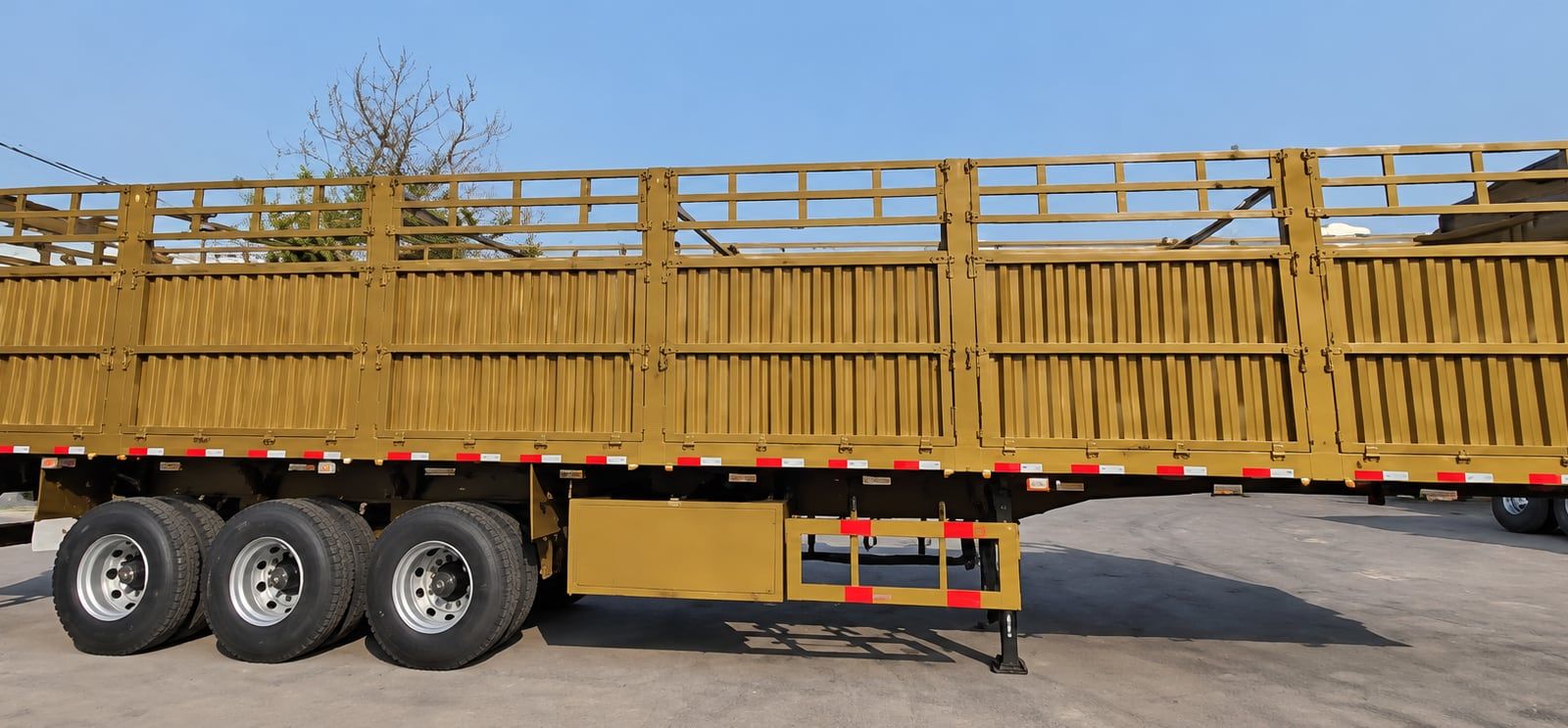
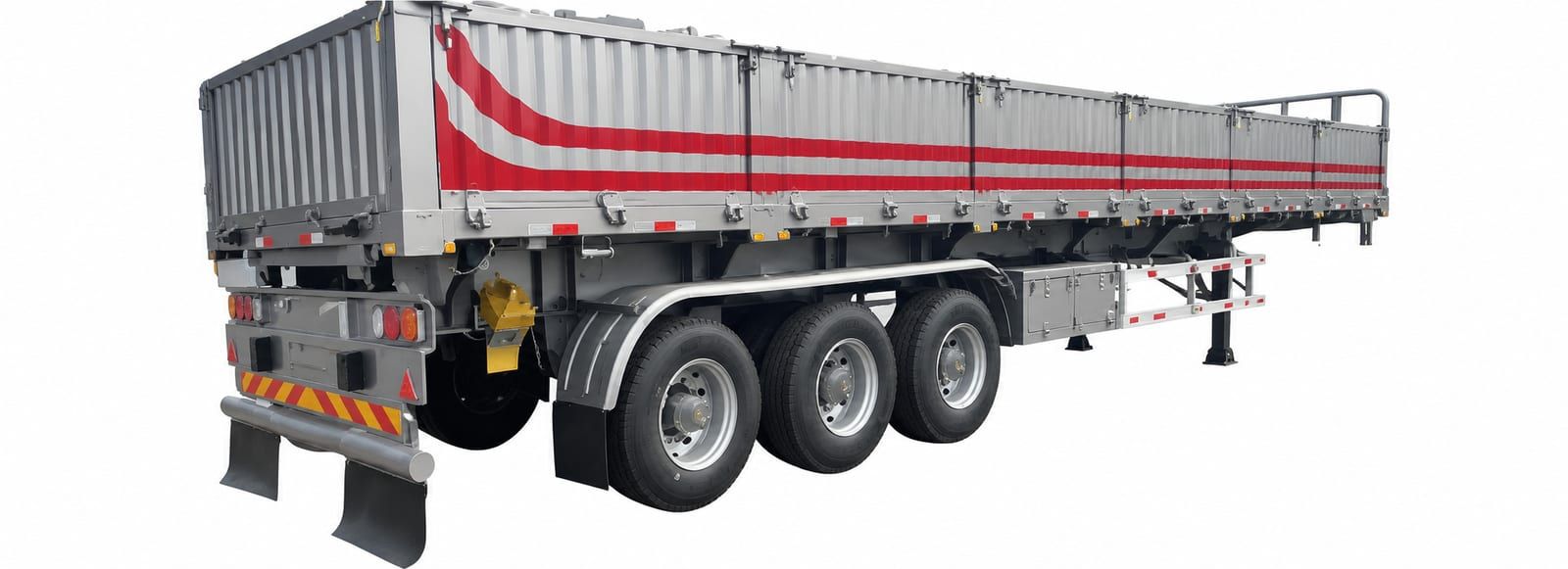
A 13 m drop-side semi-trailer, built in our own factory. The deck runs the full 13 m, the side walls stand 800 mm above it, and they drop flat so a forklift or a loader can work from either side rather than only from the rear. Three 13-tonne axles, mechanical suspension, 50-tonne payload rating, and 6,300 kg unladen, which is the lightest trailer of this length that we build.
The beam is 10 mm on the top flange, 12 mm on the bottom and 6 mm through the web. Jinhua landing legs, a 90/50 traction pin, Kommi or Komai ABS, an LED lighting set on a 24 V waterproof circuit, and powder-coat paint.
Haulage and agriculture, and it is the general-cargo trailer for anyone whose loads would not stay on a flat deck. Bagged cement and fertiliser. Grain and produce out of the growing regions. Timber, packaged goods, drums and crates. Anything where the load needs holding in but does not need tipping out.
The 13 m deck is the length that matters commercially. It carries more pallets per trip than the 12.5 m flatbed, and on the corridor routes where you are paid by the load rather than by the tonne, that is the number that decides whether the run pays.
This trailer and our 12.5 m flatbed carry a similar payload on a similar chassis. The walls are the entire difference, and they are not free.
A flatbed occupies 50 m³ on the ship. This one occupies 99.5 m³, very nearly double, because sea freight is charged on the box the trailer fits inside and the walls make that box taller. Both trailers land at the same port on the same vessel, and one of them costs roughly twice as much to get there.
So the question to answer before you order is simple: does your load actually need containing? For bagged goods, loose produce and anything a driver would otherwise spend twenty minutes netting, the answer is usually yes and the walls repay themselves in loading time and lost cargo. For steel, containers, machinery and palletised freight that straps down flat, you are shipping air.
New build, from our own workshop. Powder coated to the colour you ask for. Axle brand, suspension type and tyre and rim sizes are settled before the build begins. Tell us the roads it will work on and we will tell you which of those choices is worth spending on.
99.5 m³, calculated from the overall dimensions. It is one of the two largest trailers in this catalogue by shipping volume, alongside the side rollover trailer built on the same chassis. That is a real cost and we would rather you saw it on this page than found it in a freight quotation.
Loaded at our yard in Tangshan, shipped through Tianjin Port.
What you are carrying and whether it needs walls. Whether a forklift will load from the side. Your destination port and the quantity. If you also need the prime mover, say so in the same message and we will price the pair on one booking.
The side walls stand 800 mm above the deck and hinge down flat so a forklift can load from the side instead of only from the back. You get the containment of a body and the loading access of a flat deck.
For bagged goods, yes. The walls hold the stack while you strap it and while the road works on it, and you are not relying on netting alone. A flatbed carries the same weight and costs half as much to ship, so the walls have to be worth something to you.
It is tagged for agriculture and buyers use it that way. The 800 mm walls hold a loose load and the drop sides make unloading by hand or by loader practical. It does not tip, so anything you put in comes out the way it went in.
The rollover trailer is the same 13 m chassis and the same 99.5 m³, and it discharges sideways under hydraulic power. The drop-side is the cheaper build and the simpler one, and you unload it yourself. Choose the rollover if you tip every day and the drop-side if you carry more than you tip.
Only what the catalogue actually prints. A row that is not here is a figure we do not have yet. Ask, and we confirm it against the machine in our yard rather than guess at it.
Worth knowing
13T3 axles · mechanical suspension · Jinhua landing legs · 90/50 traction pin · Kommi/Komai ABS · LED lighting set · 24 V waterproof circuit · powder-coat paint. Beam 10/12/6 mm.
Sea freight is charged on volume, not weight. This one occupies 99.5 m³. Loaded at Tangshan City, Hebei, shipped through Tianjin Port. What CBM does to your bill → Where we ship from →
Semi-trailer
Semi-trailer